
If you are researching full mouth restoration options in Calgary, you have probably come across two major approaches: All-on-4 (also called All-on-X) and 3-on-6, also known as FP1 or Fixed Prosthetic Type 1. Both procedures can give you a complete set of permanent teeth anchored by dental implants, but they work very differently. Understanding these differences matters because the right choice depends on your specific situation: your age, your bone structure, your smile, and your long-term goals.
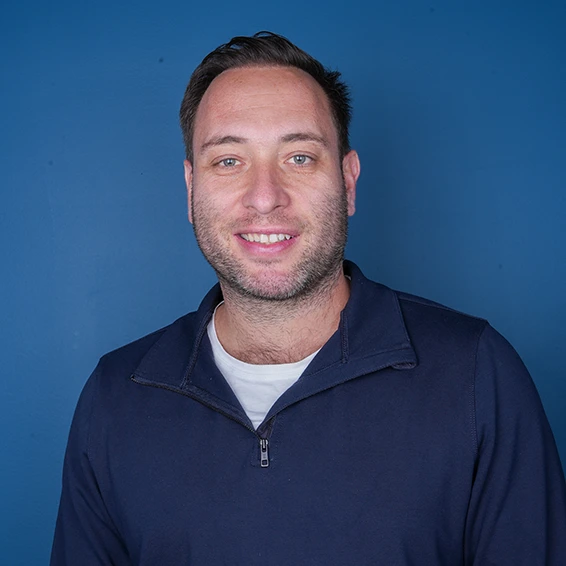
At Smile Now Dental Implants in Calgary, we offer both procedures. Dr. Gregory Broyde has the expertise and in-house lab capabilities to perform either All-on-4 or 3-on-6, which means our recommendations are based on what is actually best for you, not on what we happen to know how to do. This article breaks down everything you need to know to make an informed decision.
Watch Dr. Broyde explain the difference:
What Is All-on-4?
All-on-4 is the full arch restoration procedure most people have heard of. It uses four to six dental implants (hence the "X" in All-on-X) to support a complete arch of prosthetic teeth. The implants are strategically placed in areas of the jaw with the strongest bone density, often at angles that maximize support while avoiding areas that would require bone grafting or sinus lifts.
The key characteristic of All-on-4 is that the final prosthesis includes both the teeth and the gum tissue. This means the pink acrylic base replaces not just your missing teeth but also the gum ridge that has receded or resorbed over time. For patients who have worn dentures for years or have experienced significant bone loss, this approach can be transformative. You can learn more about the procedure in our complete guide to All-on-4 dental implants.
All-on-4 has been around for decades and has helped millions of people worldwide. It is reliable, predictable, and widely available. However, it does require significant bone reduction to create the proper foundation for the prosthesis. This is not necessarily a downside for everyone, but it is an important factor to consider, especially if you are younger or have healthy existing bone structure.
What Is 3-on-6 / FP1?
3-on-6, or FP1 (Fixed Prosthetic Type 1), represents a different philosophy in full arch restoration. Instead of one large prosthesis that includes artificial gums, FP1 uses multiple smaller bridges supported by five to eight implants. The name "3-on-6" refers to three bridges on six implants, though in practice the exact number varies based on your anatomy: we typically use five to eight implants and two to four bridges depending on your specific bone structure.
The defining feature of FP1 is that it restores only the teeth, leaving your natural gum contours intact. This is made possible by the multi-unit abutment, the same innovation that made All-on-4 possible, now applied to bridge restorations. Multi-unit abutments allow implants to be placed at various angles while still supporting a straight, natural-looking dental bridge. This technology eliminated the need for sinus procedures that used to complicate implant bridge work.
Early implant bridges existed decades ago, but they were held back by the complications of sinus lifts and bone grafting. The multi-unit abutment solved these problems, making FP1 a viable option for many patients who previously would have needed more invasive procedures or would not have been candidates for bridges at all.
The result is a restoration that looks and functions more like natural teeth. Your gums remain your own, not acrylic replicas. For the right patient, this creates outcomes that are difficult to distinguish from natural dentition.
Why the Industry Is Shifting Toward FP1
The dental industry is trending back toward 3-on-6 and away from All-on-4 for certain patient populations. This shift is driven by several factors that matter to patients:
Patients want less surgery. Modern patients are demanding more conservative treatment options. They want to preserve their natural anatomy whenever possible, minimize surgical intervention, and reduce recovery time. FP1 aligns with these preferences.
Significantly less bone reduction. All-on-4 requires removing a substantial amount of bone to create space for the prosthesis. FP1 works around your existing bone architecture, preserving what you have. This matters because bone, once removed, is gone forever.
Reduced swelling and pain. Because FP1 is less invasive and preserves more natural structure, patients typically experience less post-operative swelling and discomfort. Recovery tends to be smoother and faster.
More natural appearance. For patients whose gums are healthy, FP1 often produces a more natural-looking outcome. The transition between the restoration and your natural gum tissue can be virtually seamless.
Preserves future options. This is especially important for younger patients. If you start with All-on-4, you commit to a path that removes significant bone. If you experience further bone loss years down the road, your options become limited. With FP1, you preserve your bone and natural architecture. If problems arise later, you can transition to All-on-4. But if you start with All-on-4, you cannot go back.
Who Is a Good Candidate for 3-on-6 / FP1?
FP1 is not for everyone, but it is ideal for specific patient profiles. Here is who tends to benefit most:
Younger Patients (20s to 30s)
We are seeing more young patients needing full arch restoration, often due to dietary factors, substance abuse history, or other health conditions that have damaged their teeth early in life. For these patients, FP1 is often the better long-term choice. Preserving bone and natural architecture gives them flexibility as they age. If bone loss occurs later, they can still transition to All-on-4. Starting with All-on-4 removes that option permanently.
Patients with a High Smile Line
If you show a lot of gum tissue when you smile, aesthetics become critical. All-on-4 is difficult to make look natural in these cases without significant bone reduction and careful prosthetic design. FP1 preserves your natural gums, which means better aesthetic outcomes for high smile line patients. Your own gum tissue looks like gum tissue because it is gum tissue.
Patients with a Low Smile Line
Interestingly, low smile line patients also do well with FP1. These patients tend to be more conservative by nature and place less aesthetic demand on their gum tissue. Even if minor gum recession occurs over time, it does not significantly impact the visible outcome. The combination of conservative values and lower aesthetic risk makes FP1 a natural fit.
Who Is NOT a Good Candidate for FP1?
Despite its advantages, FP1 is not the right choice for everyone. The main group for whom All-on-4 is usually better: patients who have worn dentures long-term and already have significant bone loss.
If your jawbone has resorbed substantially over years of denture wear, you may not have enough remaining bone structure to support FP1 bridges properly. In these cases, All-on-4 is often the more predictable and appropriate solution. The procedure can work with reduced bone volume, and the prosthesis replaces both teeth and lost gum tissue for a complete restoration.
During your consultation at our Calgary clinic, we will assess your bone structure using 3D imaging to determine whether you have sufficient architecture for FP1 or whether All-on-4 would serve you better.
Risks and Limitations of FP1
Like any medical procedure, FP1 carries specific risks and limitations you should understand:
Requires decent existing bone architecture. If you do not have adequate bone volume and quality, FP1 simply is not an option. This is non-negotiable.
Aesthetic unpredictability with gum changes. Because your gums are natural, not prosthetic, their appearance depends on how you heal. Recession or changes in gum tissue over time can affect the final look. As we tell our patients: the dentist controls the teeth, but the gum architecture depends largely on your natural healing response.
Not a cookie-cutter procedure. FP1 requires deep expertise. The planning, placement, and prosthetic work are complex and must be customized to your unique anatomy. This is not a procedure every dentist can perform effectively.
Must be loaded same day. Same-day loading is not just a convenience with FP1; it is critical for preserving the triangular papilla, the gum tissue between teeth that creates a natural gum line. If the temporary restoration is not placed immediately, this tissue can be lost, compromising the final aesthetic result.
Requires strong in-house lab collaboration. FP1 demands close coordination between the surgical and prosthetic teams. The bridges must be precisely designed and fabricated, often requiring multiple adjustments. Without an in-house lab and prosthetic team, this level of collaboration is difficult to achieve.
Why Isn't FP1 More Popular?
If FP1 offers these advantages, why do most people still think of All-on-4 when they consider full arch restoration? Several factors limit its availability:
Higher cost and complexity. FP1 requires more implants, more bridges, and significantly more planning and laboratory work. This translates to higher costs and longer treatment times compared to All-on-4.
Requires specific expertise. Very few dentists have the training and experience to perform FP1 successfully. All-on-4 is more widely taught and practiced, making it more accessible for many providers.
Lower perceived risk for providers. All-on-4 is more forgiving. The prosthesis covers more variables and is less dependent on perfect soft tissue management. For dentists without specialized training, All-on-4 offers a more predictable path.
Requires in-house prosthetics and lab capabilities. Most dental practices outsource their lab work. FP1 demands the kind of real-time collaboration and rapid adjustments that only an in-house team can provide. Without this infrastructure, the procedure is not feasible.
This is why choosing a provider who offers both options matters. Practices that only do All-on-4 will recommend All-on-4. Practices with the capabilities and expertise to offer both can actually match the procedure to your needs.
The Smile Now Advantage
At Smile Now Dental Implants in Calgary, we are equipped to provide both All-on-4 and 3-on-6/FP1 restorations. Here is what sets us apart:
In-house prosthetic team and lab. We do not outsource your restoration to a distant laboratory. Our prosthetic technicians work alongside Dr. Broyde, making real-time adjustments and ensuring your bridges fit perfectly.
Expertise in both procedures. Dr. Broyde has extensive experience with both All-on-4 and FP1. This means our recommendations are based on what is genuinely best for your situation, not on the limits of our capabilities.
Comprehensive consultation process. We take the time to understand what you are looking for, evaluate your bone structure and oral health, and explain your options in detail. You will leave your consultation knowing exactly what we recommend and why.
Same-day results. Whether you choose All-on-4 or FP1, we provide temporary teeth on the same day as your implant placement. You never leave our office without a functional smile.
Making Your Decision
Choosing between All-on-4 and 3-on-6 comes down to your individual circumstances. Here are the key questions to consider:
- How old are you, and how long do you need this restoration to last?
- How much of your natural bone structure remains?
- What does your smile look like when you are genuinely happy?
- How important is preserving your natural anatomy versus getting the fastest solution?
- What is your budget, and how does that align with the long-term value of each option?
If you are younger, have healthy bone structure, and want the most natural-looking, conservative option, FP1 is probably worth the additional investment. If you have significant bone loss, are older, or prioritize simplicity and cost-effectiveness, All-on-4 may be the better path.
Either way, the most important step is getting an honest evaluation from a provider who can actually offer both. A consultation with a practice that only performs All-on-4 will result in an All-on-4 recommendation. At Smile Now, we have no such limitation.
Next Steps
If you are considering full mouth restoration in Calgary, we encourage you to schedule a consultation at Smile Now Dental Implants. Dr. Broyde will evaluate your bone structure, discuss your goals, and give you a straightforward recommendation based on what is actually right for you.
We understand this is a significant decision. Whether you ultimately choose All-on-4 or 3-on-6, our goal is the same: giving you a permanent, beautiful smile that functions like natural teeth and lasts for decades.
Book your consultation today and find out which approach is right for your smile.